Residential Termite Control

Termite control when wood damage or swarmers raise a red flag.

Termite activity can stay quiet until wood damage, moisture, mud tubes, or swarmers make the issue harder to ignore. We inspect accessible areas, explain what the signs may mean, and talk through the next step.

Wood-damage checksMoisture reviewFoundation edges
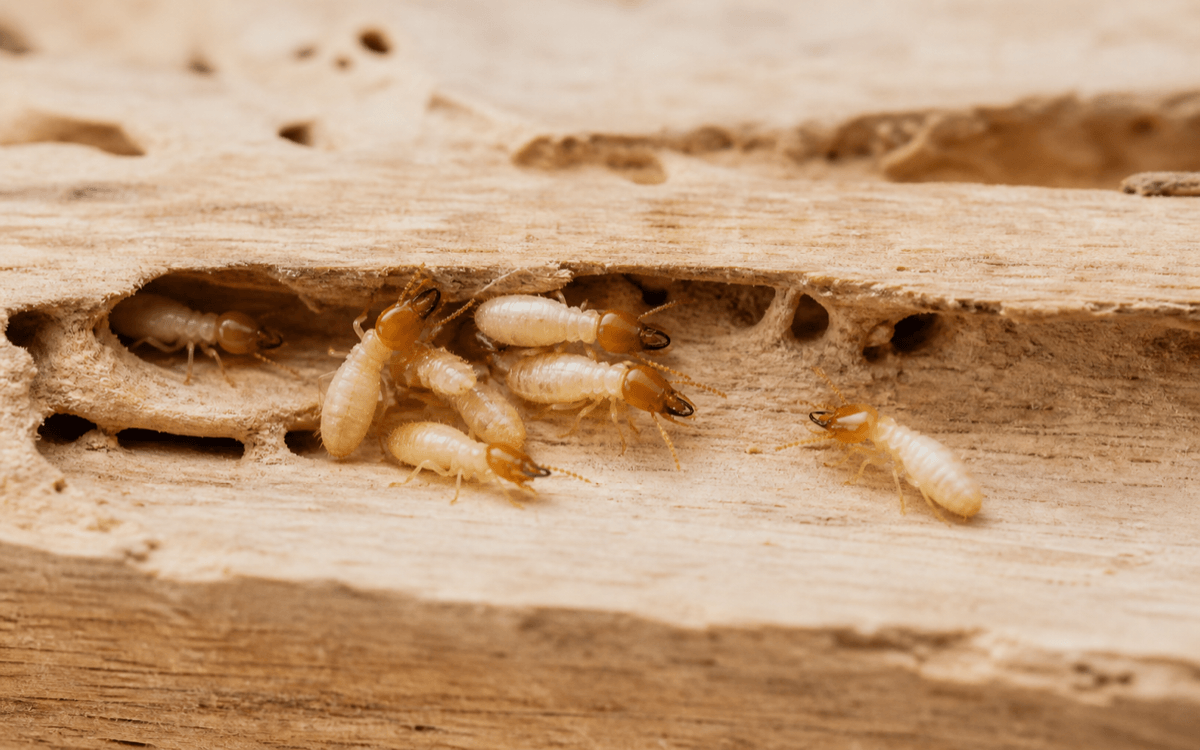
Residential termite control and wood damage inspection
Careful inspectionWe look at visible activity, wood conditions, moisture areas, foundations, and other likely termite pressure points.
Home layout mattersConstruction type, crawl spaces, decks, patios, and foundation access all change what needs a closer look.
Prevention guidanceMoisture, wood-to-soil contact, exterior storage, and structural gaps can all influence termite pressure.

Service summary

Clear answers before you schedule.

Get the basics quickly so you can choose the next step with confidence.

What is Residential Termite Control?

Pest Pro Solutions provides residential termite control for Illinois homes, starting with inspection, activity review, treatment, prevention notes, and follow-up when needed.

Who is this service for?

This service is for homeowners dealing with wood-damage checks, moisture review, and foundation edges.

What should I do next?

Request a quote and share the property type, location, pest signs, and timing. We use that context to help point you toward the right next step.

What Homeowners Usually Notice

Termite concerns often start with subtle signs, and small clues can be worth checking early.

  • Mud tubes, damaged wood, blistering surfaces, or hollow-sounding trim and framing.
  • Swarming termites or discarded wings near windows, doors, basements, or light sources.
  • Moisture near foundations, crawl spaces, decks, patios, or wood close to soil.
  • Concerns after a home inspection, remodel, water issue, or nearby termite activity.

How We Approach Home Termite Control

The first step is confirming what is happening and where the risk is highest.

  • Inspect accessible areas where termite activity or conducive conditions may be present.
  • Review moisture, wood contact, foundation edges, crawl spaces, and exterior pressure points.
  • Explain treatment recommendations in clear homeowner language.
  • Discuss follow-up and prevention steps that support longer-term protection.

Where We Focus Around The Home

Many termite clues are near foundations, crawl spaces, exterior wood, or trim that homeowners do not inspect often.

Foundations and crawl spacesTermites often use hidden paths around foundation edges, crawl spaces, utility openings, and moisture-prone areas.
Decks, patios, and exterior woodWood near soil, stored materials, posts, steps, and exterior trim can create conditions worth reviewing.
Basements and interior cluesDamaged trim, soft wood, wings, or activity near windows and doors can help guide the inspection.

Residential Termite Control Questions

How do I know if I have termites?

An inspection helps confirm activity by looking for signs such as mud tubes, damaged wood, swarmers, wings, moisture conditions, and likely access points.

Are termites only an issue in old homes?

No. Termite pressure can affect newer and older homes when moisture, wood access, soil contact, or entry conditions are present.

Can termite service include prevention guidance?

Yes. A termite plan can include practical guidance around moisture, wood storage, exterior contact points, and conditions that may increase pressure.

Worried about termites?

Tell us what signs you noticed and where they appeared.

Request Your Quote